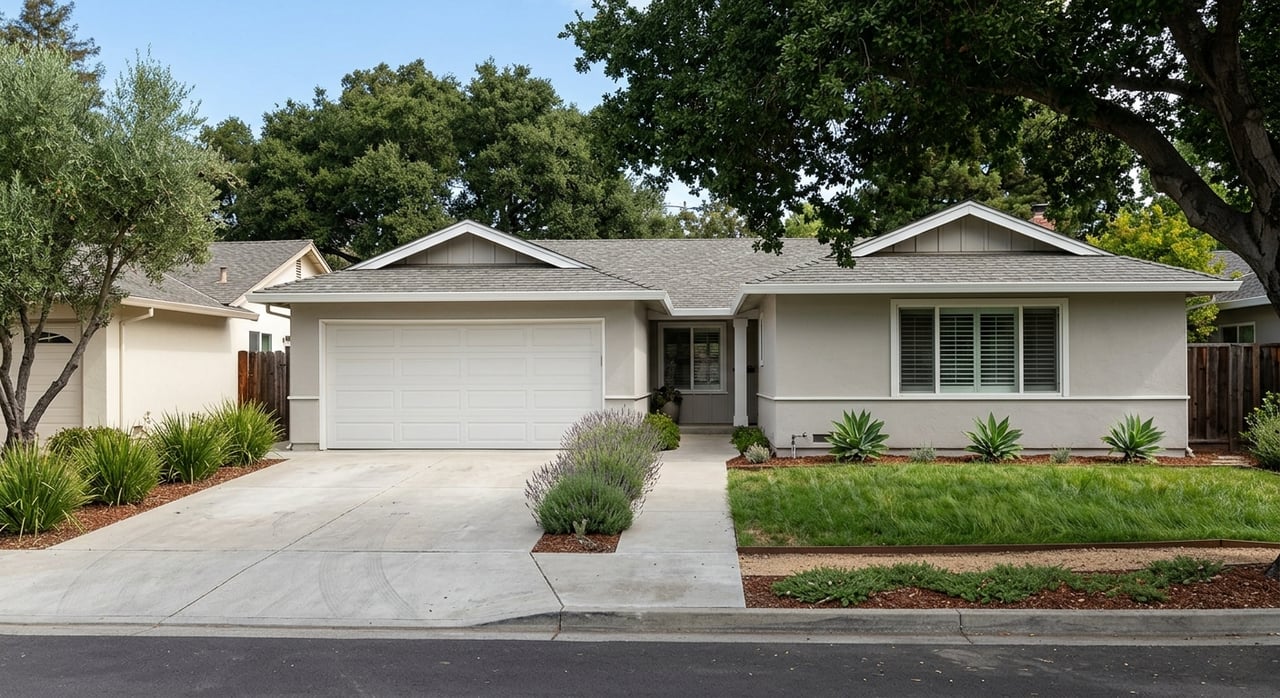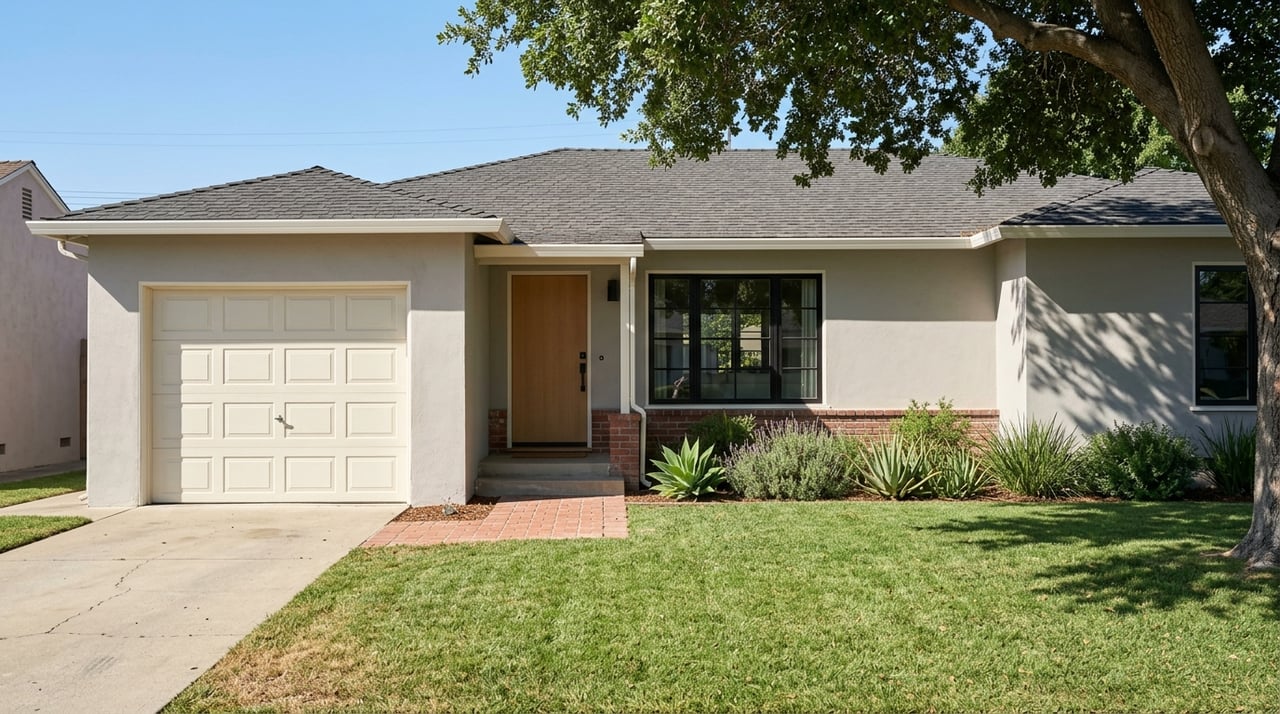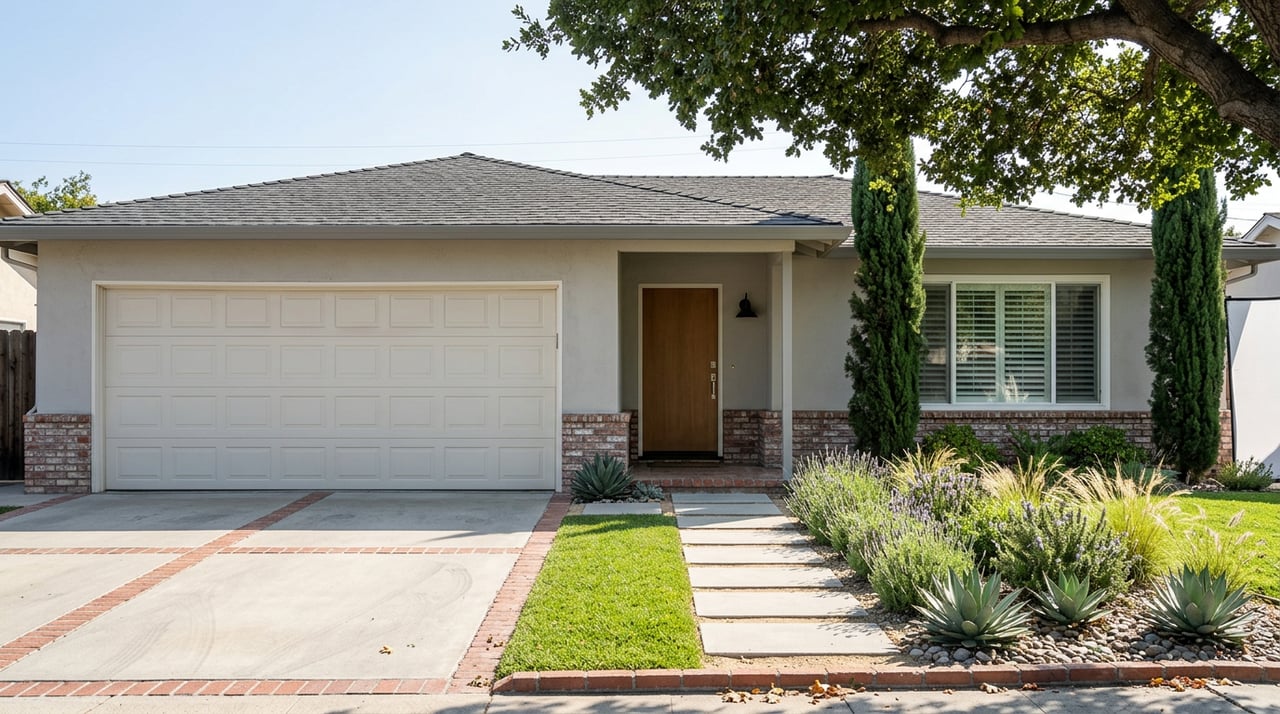
Thinking about investing in Westlake Village but unsure how the numbers really pencil out? You’re not alone. This is a high-demand, low-inventory market with strong incomes and stable tenants, yet cash flow can feel tight at first glance. In this guide, you’ll get a clear snapshot of prices and rents, practical yield math, property types that work best, the rules that shape returns, and a step-by-step checklist to underwrite deals with confidence. Let’s dive in.
Why Westlake Village rewards patient investors
Westlake Village attracts higher-income households who value a calm suburban setting, trails and open space, and a master-planned community feel. City QuickFacts show a median household income near $174,000, which supports steady demand for quality homes and well-kept rentals. The majority of housing is owner-occupied, and renters typically include professionals, families, and long-term residents with stable credit profiles. That backdrop points to lower turnover and a tenant base that expects well-maintained properties. City QuickFacts
You also benefit from community design and amenities that have stood the test of time. Westlake’s master-planned character, lake, HOAs, and suburban retail and services remain core lifestyle draws for buyers and tenants. Neutral school ratings reported by third-party sites are another factor that many households consider when choosing the area. Community overview
What prices and rents look like now
Headline home-value medians vary by data source and submarket. Aggregators place the average Westlake Village home value near $1.53 million, and recent city-level medians for closed sales have ranged widely due to small sample sizes and premium luxury transactions. Local micro-reports commonly place medians between roughly $1.3 million and $1.9 million depending on submarket and property type. Expect pricing to swing by neighborhood, lot, lake access, and condition.
On the rental side, public trackers in early 2026 place average area apartment rents roughly between $2,900 and $3,800 per month. RentCafe reports an average apartment rent near $2,928, noting a recent year-over-year dip in that dataset. ZIP-level distributions also show many renter households paying $3,000 or more per month, which aligns with a suburban stock that includes larger homes and multi-bedroom units. Average rent data • ZIP-level rent breakdown
Cash flow reality and cap rate context
It helps to run a quick gross-yield check before you spend time on a deal. Using the area’s average rent of about $2,928 per month and a representative home value around $1.53 million, annual gross rent comes to about $35,136. That produces a gross yield near 2.3 percent before expenses, taxes, insurance, vacancy, and capital reserves. If you use a higher purchase price, the yield falls even further. This is why many single-family investors here focus on long-term holds, appreciation, and tax strategy rather than short-term cash flow.
For context, Los Angeles multifamily occupancy has hovered around the mid-90 percent range, with vacancy drifting near 5 to 5.7 percent in late 2025 as new supply hit some submarkets. Stabilized multifamily cap rates in Los Angeles have generally traded around the 5 percent neighborhood, with small properties and value-add deals pricing case by case. LA multifamily figures
Financing matters as well. The 30-year fixed conforming mortgage averaged roughly 6.0 percent in early March 2026. In a 6 percent rate environment, you will want to model DSCR and cash-on-cash carefully and compare against local cap-rate expectations. Mortgage rate update
Best property types for investors
Single-family detached homes
- What works: Long-term stability, family tenants, and strong retention when the home is well located and well maintained.
- What to watch: Entry prices are high and gross yields are thin compared with national cash-flow markets. Many investors rely on long holds, appreciation, or portfolio strategies.
- Tip: Price to rent can look tight at the purchase stage. If you buy, treat tenant experience as a priority to protect occupancy and reduce turnover.
Condos and townhomes
- What works: Lower absolute purchase price and easier entry, especially for first-time investors.
- What to watch: HOA dues, potential special assessments, and rental restrictions in CC&Rs. Always confirm rental caps and minimum lease terms before underwriting.
- Tip: Better headline yields can be eroded by HOA costs, so build a conservative operating budget. Community structure overview
Small multifamily (2–4 units)
- What works: Multiple rent streams reduce vacancy risk per mortgage and can improve DSCR versus a single-family at a similar price.
- What to watch: Limited supply inside the city and competitive bidding for well-located assets. Underwrite conservatively against regional cap-rate benchmarks. LA cap-rate context
ADUs and value-add
- What works: An ADU can boost income on a single lot or support multi-generational living while maintaining long-term hold flexibility.
- What to watch: Parcel-specific wildfire, parking, and HOA constraints, plus city guidance tied to SB9 that may require restrictive covenants. Confirm feasibility early and in writing. City ADU/SB9 guidance
Short-term rentals
- What works: In theory, STRs can lift income per unit night. In practice here, that path is limited.
- What to watch: The City collects a Transient Occupancy Tax and posts tax forms, but Westlake Village does not promote a permissive STR registration framework like some coastal cities. HOA rules and SB9-related covenants can also limit STR use. Always verify municipal code and HOA rules before assuming STR income. City tax information
Step-by-step deal analysis checklist
Use this quick framework before you write an offer:
- Confirm jurisdiction and APN
- Westlake Village spans county lines and ZIP boundaries. Verify the parcel’s APN, the correct jurisdiction, and any HOA. Taxes, permits, and rules depend on this. City profile
- Pull true comps
- Focus on the same micro-neighborhood and property type: lakefront vs non-lake, gated vs non-gated, hillside vs flats. Small markets need precise comps, not county-wide averages.
- Set conservative income assumptions
- Start with market rent using current comps and public trackers. Subtract a 4 to 6 percent vacancy and collection reserve for well-located suburban SFRs. Regional multifamily vacancy has hovered in the mid-single digits. LA market context
- Build a full operating budget
- Include property taxes, insurance, utilities, management, maintenance, HOA dues, and reserves. As a benchmark, SFRs often run 30 to 40 percent of gross rents for operating expenses. Small multifamily can run 35 to 45 percent. Validate with actuals where possible. OpEx ratio primer
- Model NOI, cap rate, DSCR, and cash-on-cash
- Compare your stabilized cap rate against local benchmarks. For DSCR loans, many lenders target about 1.0 to 1.25x at underwriting, depending on the product. Get current quotes for your profile. DSCR lending overview
- Test your debt and rate sensitivity
- The 30-year fixed has been near 6 percent. Add 50 to 100 basis points in a sensitivity case so you know where your DSCR and cash-on-cash break. Rate context
- Price taxes accurately
- California’s Prop 13 sets a 1 percent base rate plus voter-approved assessments, which often brings the effective bill in LA County to about 1.1 to 1.5 percent of market value. Confirm the parcel’s exact rate and any special assessments with the county assessor. Prop 13 overview
- Verify legal rules that affect income
- Review AB 1482 coverage and exemptions, HOA rental caps, and STR rules. AB 1482 limits rent increases for covered units to 5 percent plus CPI, capped at 10 percent, and adds just-cause eviction protections. Local rules can add more. AB 1482 explainer • City tax and STR info
- Underwrite insurance and natural hazards
- Westlake Village sits in a broader region with wildfire and hillside exposure. Budget for elevated homeowners or landlord policy premiums and consider earthquake coverage needs. Confirm insurability and renewability before you remove contingencies. Insurance market context
Key risks to price in
- Insurance volatility: Carriers have tightened in many fire-stressed parts of California. Get written quotes early and include renewal scenarios in your pro forma. Insurance context
- Regulatory exposure: AB 1482 sets a statewide baseline for covered units. Local ordinances or HOA rules can be more restrictive. Always verify coverage and exemptions. AB 1482 explainer
- HOA and CC&R limits: Many Westlake neighborhoods are governed by HOAs. Rental caps, minimum lease terms, pet rules, and STR prohibitions can all shape returns.
- STR assumptions: Do not assume short-term rentals are permitted. Confirm city code, tax obligations, and HOA covenants in writing before modeling STR income. City tax information
Strategies that fit this market
- Long-term hold, low turnover: Target homes with features families value, then invest in proactive maintenance and responsive management to support multi-year tenancy.
- Small multifamily where available: Multiple rent streams can improve DSCR and risk-adjusted yield compared with a similar-priced single-family home. LA cap-rate context
- ADU to lift income: Where zoning and HOAs allow, an ADU can raise income per lot and add flexibility for future use. Verify parcel-level feasibility and any SB9-related covenants. City ADU/SB9 guidance
- Tax and portfolio planning: Because headline yields are modest, many investors prioritize appreciation, depreciation, and 1031 exchange strategies across a multi-year horizon.
What this means for your plan
If you value stability, strong tenant profiles, and wealth preservation over immediate high cash yields, Westlake Village can fit your strategy. Expect to compete for quality properties, run conservative numbers, and focus on holding power and asset quality. Use regional cap-rate benchmarks, price in realistic operating costs, and treat HOA and city rules as make-or-break inputs rather than fine print.
When you are ready, bring in a local partner who can source precise comps, flag HOA and city constraints early, and negotiate from a position of hyperlocal insight. If you want curated options, off-market access, or a clear underwriting path on a specific property, reach out to Nico Torres for a private consultation.
FAQs
What are current average rents in Westlake Village?
- Public trackers place average apartment rents roughly between $2,900 and $3,800 per month, with RentCafe reporting about $2,928 as of early 2026. Source
How tight is rental vacancy in the LA area?
- Regional reports show Los Angeles multifamily occupancy around the mid-90 percent range in late 2025, implying vacancy near 5 to 5.7 percent. Source
What vacancy rate should I underwrite for a Westlake Village SFR?
- A 4 to 6 percent vacancy and collection reserve is a conservative starting point for well-located suburban single-family rentals, adjusted for property specifics. Context
How do California rent laws affect my investment?
- AB 1482 limits rent increases for covered units to 5 percent plus CPI, capped at 10 percent, and adds just-cause protections, with exemptions and potential local overlays. AB 1482 explainer
What operating expense ratio should I expect?
- As a benchmark, many SFRs run 30 to 40 percent of gross rent and small multifamily 35 to 45 percent, but you should verify with actuals and local norms. OpEx primer
Are short-term rentals typically allowed in Westlake Village?
- The City collects a Transient Occupancy Tax and HOA and SB9-related covenants can limit STR use, so always verify city code and HOA rules before assuming STR income. City tax info
How should I budget for property taxes in LA County?
- California’s Prop 13 sets a 1 percent base rate plus voter-approved assessments, often totaling about 1.1 to 1.5 percent of market value, but confirm parcel specifics. Prop 13 overview
What should I know about insurance costs and risks?
- Budget for elevated premiums due to wildfire and hillside exposures and confirm renewability and earthquake options with carriers before closing. Insurance context