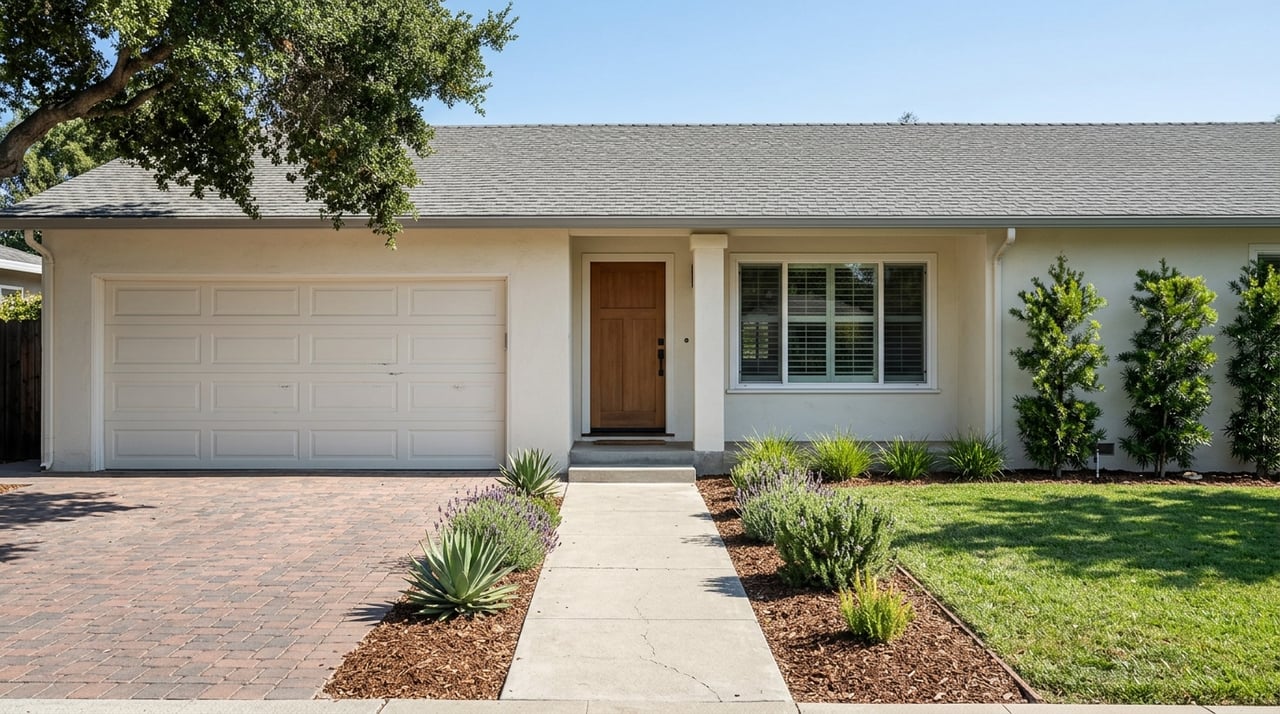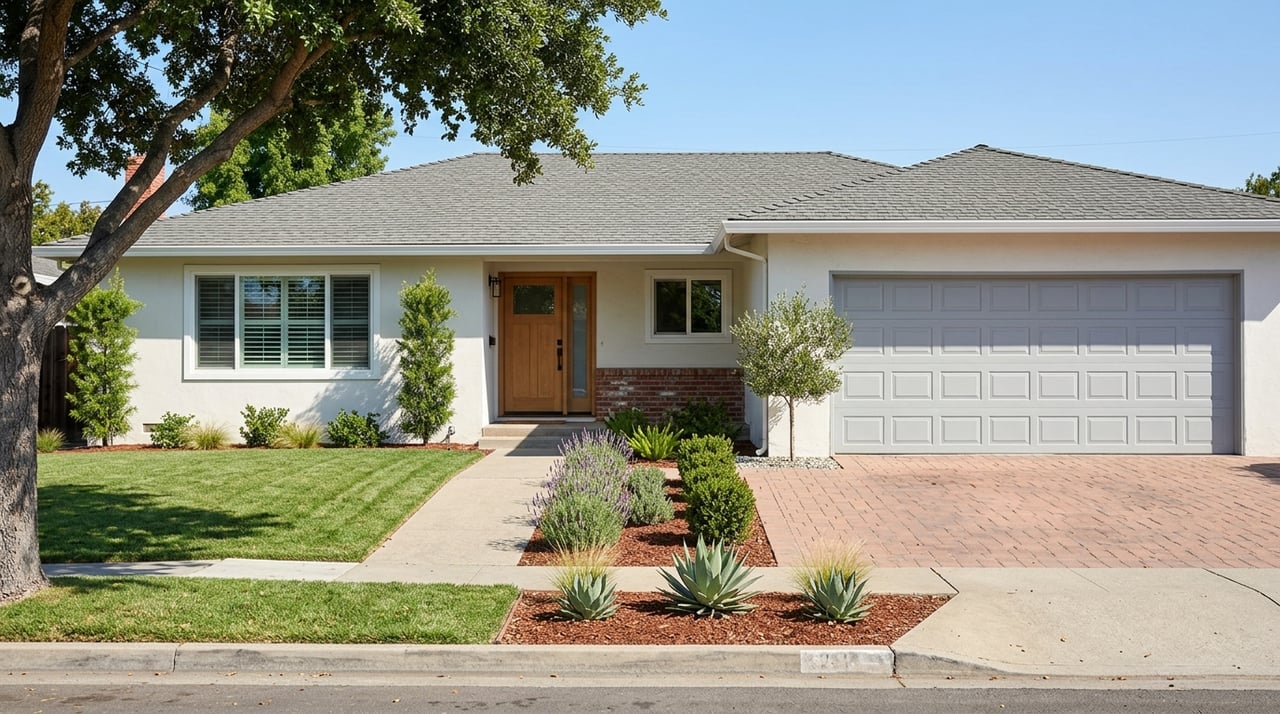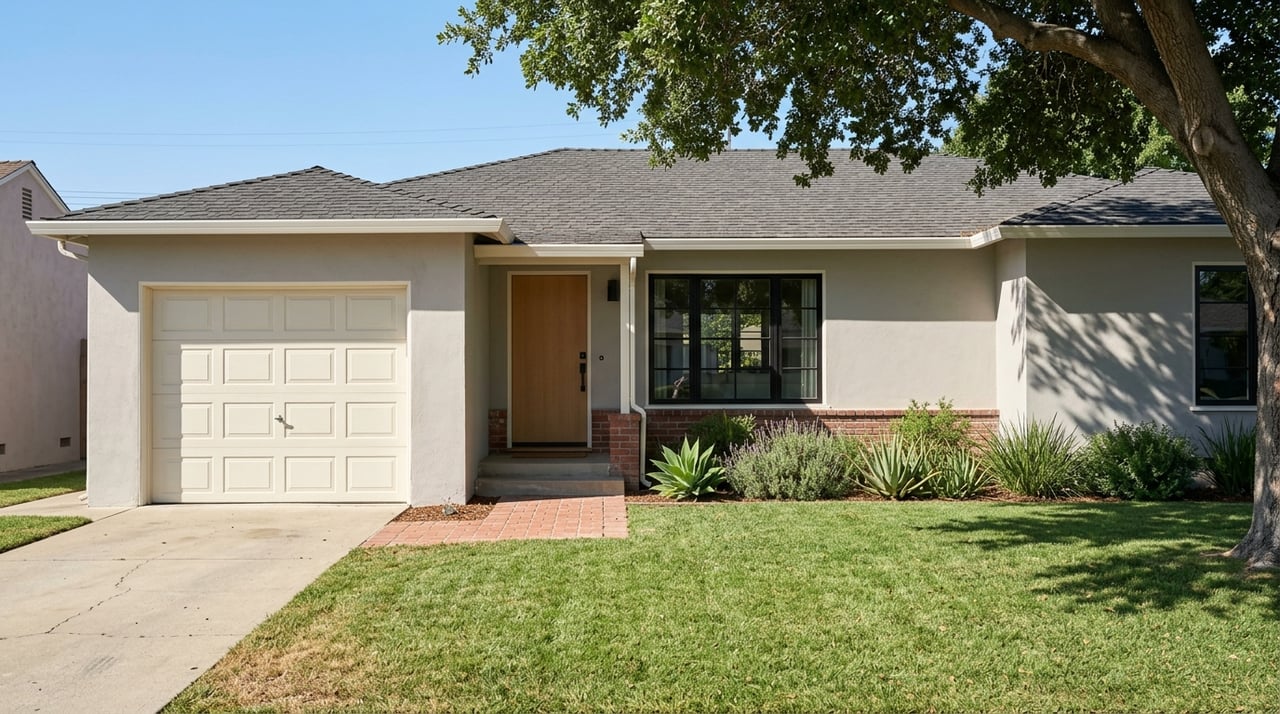
Wondering why two homes in Westlake Village with similar square footage can sell at very different prices? You are not imagining it. In a small, master-planned city like Westlake Village, value often comes down to the details of location, lot, condition, and lifestyle. If you want to understand what really moves prices here, this guide breaks down the biggest factors and how they shape buyer demand. Let’s dive in.
Westlake Village values start with location
Westlake Village is only about 5.4 square miles, but it includes 20 neighborhoods and a wide range of housing types. You will find condos, townhomes, single-family homes, lakefront residences, mobile homes, and view-oriented estates. That variety alone creates a broad pricing range before you even look at finishes or floor plans.
Spring 2026 market snapshots show that values in Westlake Village sit roughly in the mid-$1.6 million to high-$1.7 million range, depending on the metric used. Zillow reports an average home value of $1,606,309, Realtor.com shows a median listing price of $1,775,000, and Redfin reports a median sale price around $1.8 million. Realtor.com also describes the market as balanced, with homes selling for about 99% of asking price, which means small differences can have a meaningful impact on price.
Why micro-location matters so much
In a larger city, broad neighborhood trends may tell most of the story. In Westlake Village, the street itself can matter. A home’s exact placement near the lake, within a certain attendance area, or on a more private lot can shift value more than buyers expect.
That is why square footage alone rarely explains pricing here. When inventory includes everything from townhomes with shared amenities to estate properties on large lots, buyers are comparing a full lifestyle package, not just the size of the home.
Lake access creates a major premium
One of the strongest value drivers in Westlake Village is proximity to Westlake Lake. City budget materials describe the lake as a 125-acre man-made lake with 8 miles of shoreline. The city also notes that more than 1,300 homes are on the lake or within access of it, which helps explain why lake-oriented properties carry such strong appeal.
Not all lake access is equal. Waterfront position, main-channel exposure, island settings, and view corridors can all influence price. In practical terms, buyers often place a premium on how a home connects to the water, not just whether it is technically near the lake.
Waterfront position vs. simple proximity
Recent public sales show how important exact setting can be. A main-channel Westlake Island home at 32200 Oakshore sold for $3.35 million, and the listing emphasized its gated, waterfront position. A nearby lakefront townhome at 32136 Beachfront Lane was marketed with a private dock and resort-style amenities, along with shared tennis, volleyball, and greenbelt features.
The takeaway is simple. In Westlake Village, a lakefront address is only the starting point. The quality of the views, access to the water, and the feel of the setting can all push value higher.
School attendance areas influence demand
For many buyers, school attendance areas are part of the home search from the very beginning. Conejo Valley Unified School District says most families attend their assigned neighborhood school based on home address, and the district maintains a street index for assigned elementary, middle, and high schools. In a market as compact as Westlake Village, that address-based system can make street-by-street differences important.
Several local schools are recognized in ways buyers often notice. Westlake Elementary is identified as a California Distinguished School, and Westlake Hills Elementary is noted as a National Blue Ribbon School and California Distinguished School. Westlake High highlights rigorous academics and college and career preparation.
What this means for home values
A school assignment does not automatically create a price premium on its own. Still, it can affect buyer demand and competition. When two homes are otherwise similar, the attendance area may influence how many buyers decide to pursue one property over another.
For sellers, this matters because demand often shapes pricing power. For buyers, it means that confirming the assigned schools for a specific address is an important part of understanding value before you make an offer.
Lot size, privacy, and property type shape price
Westlake Village is not a one-size-fits-all market. According to the city profile, the community includes condominiums, townhomes, lakefront homes, single-family residences, mobile homes, and estates. That range creates a wide spread in price points and buyer expectations.
Property type is one of the first filters buyers use. A detached home on a private lot will usually compete in a different way than a townhome with shared amenities, even if the interior square footage is similar. Privacy, outdoor space, and usable land often carry real value here.
Larger and more usable lots matter
Recent examples show the spread clearly. A Lakeshore townhome at 32068 Waterside Lane sold for $1.174 million on a 2,870-square-foot lot and included a $385 monthly HOA, plus access to shared amenities such as pickleball, a pool, picnic area, hiking trails, and lake access. On the other end of the spectrum, active estate-style inventory includes 1755 Crooked Trail Place on 1.11 acres.
The pattern is straightforward. Larger, more private, and more usable lots generally support higher prices, especially when the home is detached and located in a low-supply part of the market. In Westlake Village, land and privacy still matter, even in a highly planned community.
Updated homes often command more
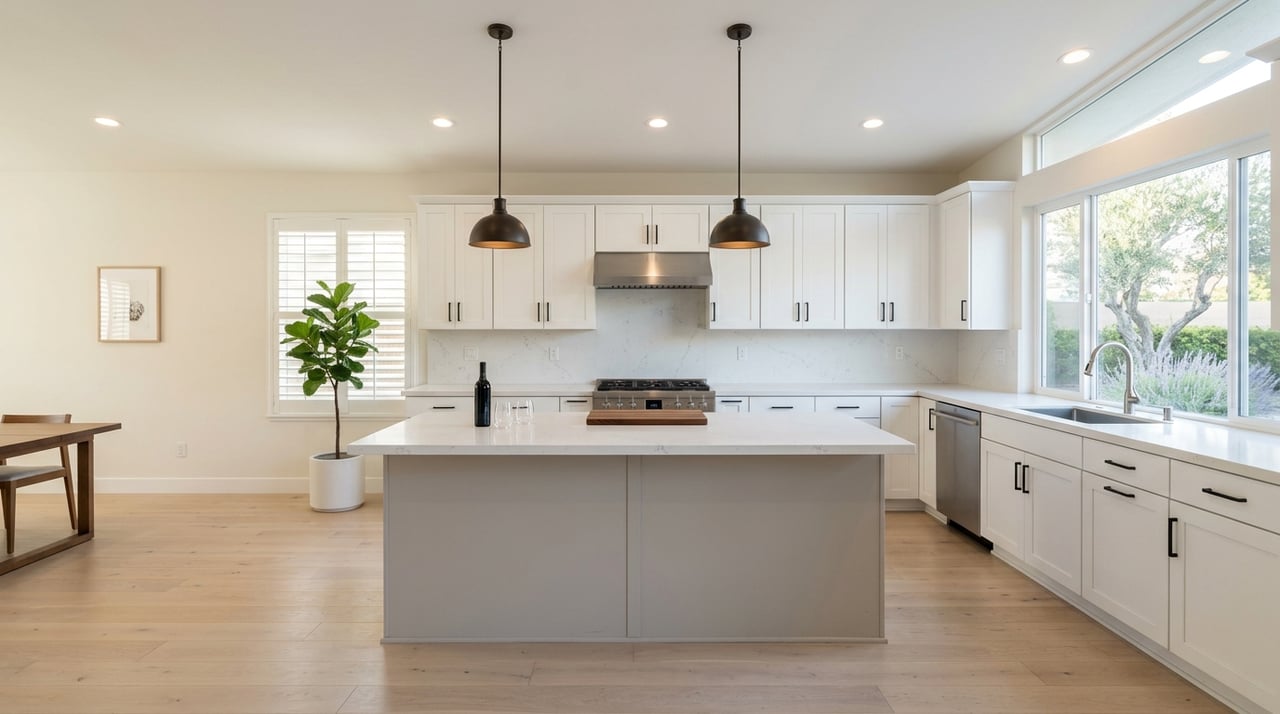
Condition is a major pricing factor because so many Westlake Village homes compete on similar location benefits. When buyers compare homes in the same general area, they often focus quickly on whether a property feels move-in ready. Updated kitchens, refreshed flooring, and polished presentation can make a real difference.
Public sales support that trend. The sale at 32068 Waterside Lane followed a remodeled kitchen and updated flooring. Recent lakefront listings also highlight private docks, lakefront decks, and resort-like shared amenities, reinforcing that buyers are paying for both interior finish and outdoor experience.
Indoor-outdoor living adds value
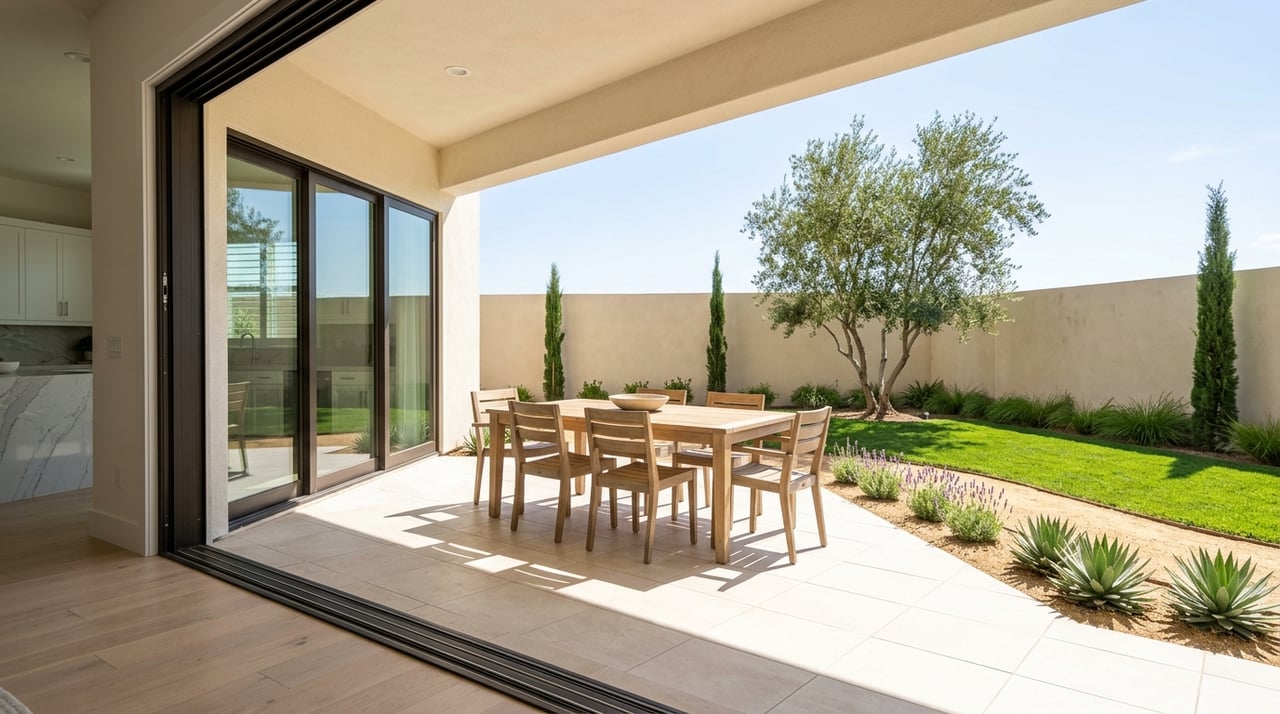
In Westlake Village, buyers are often looking for more than a good floor plan. They also care about how the home lives day to day. Functional outdoor spaces, decks, patios, and settings that connect with the surrounding environment can strengthen value.
That helps explain why two homes with similar bedroom counts can produce different results. The market tends to reward homes that feel finished, usable, and ready to enjoy right away.
Amenities and maintenance support values
Westlake Village offers a strong amenity base for a suburban community, and that supports long-term appeal. The city has seven parks, and Westlake Village Community Park spans 18 acres. It includes eight acres of lighted fields, a walking and jogging trail, skate park, picnic areas, basketball and volleyball courts, fitness equipment, play areas, and a 60,000-square-foot YMCA facility.
The city also notes that the area is surrounded by trails in the Santa Monica Mountains, including the Wishbone Trail above Community Park. Budget materials also highlight The Shoppes at Westlake Village as a dining, style, and wellness destination. For many buyers, these amenities add to the daily lifestyle value of the area.
Why neighborhood upkeep matters
Maintenance also plays a role in price stability. The city manages landscaping districts that include neighborhood-specific zones such as Lakeshore and Three Springs. The city profile also notes that homeowners associations help maintain architectural standards across the community’s 20 neighborhoods.
That kind of upkeep helps neighborhoods feel cohesive and well cared for over time. In a place like Westlake Village, buyers often notice the overall presentation of a neighborhood just as much as the finishes inside an individual home.
The real answer is a stack of premiums
If you are trying to understand what drives home values in Westlake Village, the clearest answer is that prices are shaped by a combination of factors. Lake access, exact waterfront position, school attendance area, lot size, privacy, condition, and neighborhood amenities all work together. Rarely does one factor tell the whole story.
That is why pricing a home accurately or evaluating one as a buyer takes more than checking recent sales by square foot. In Westlake Village, the street, the setting, and the lifestyle offering can move value in a big way. Understanding those details is often what separates an average estimate from a truly informed one.
Whether you are preparing to sell or trying to buy in a competitive pocket of Westlake Village, local context matters. If you want a sharper read on how your specific street, lot, or property type fits the market, Nico Torres can help you make sense of the details and plan your next move with confidence.
FAQs
How does lake access affect home values in Westlake Village?
- Lake access is one of the strongest value drivers in Westlake Village, and exact waterfront position, views, dock access, and setting can all influence price.
Do school attendance areas matter for Westlake Village home prices?
- Yes. Because school assignment is address-based in CVUSD, street-by-street differences can affect buyer demand, especially when buyers are comparing similar homes.
Why can two similar Westlake Village homes have different prices?
- Two similar homes can price differently because of micro-location, lot privacy, property type, updates, lake orientation, and access to neighborhood amenities.
Do updated homes sell for more in Westlake Village?
- Updated homes often attract stronger buyer interest because many buyers are comparing homes with similar location benefits and may pay more for move-in-ready condition.
What property features add value in Westlake Village besides square footage?
- Features that can add value include lake proximity, private or usable outdoor space, larger lots, detached home type, finished interiors, and strong neighborhood upkeep.