Thinking about a move to Westlake Village? It is easy to see the appeal, but relocating here takes more than falling in love with a polished neighborhood or a scenic drive. You need to understand how the city is laid out, what daily life actually feels like, and how the housing market fits your budget and priorities. This guide will help you sort through the practical details so you can decide whether Westlake Village is the right fit for your next move. Let’s dive in.
Why Westlake Village Stands Out
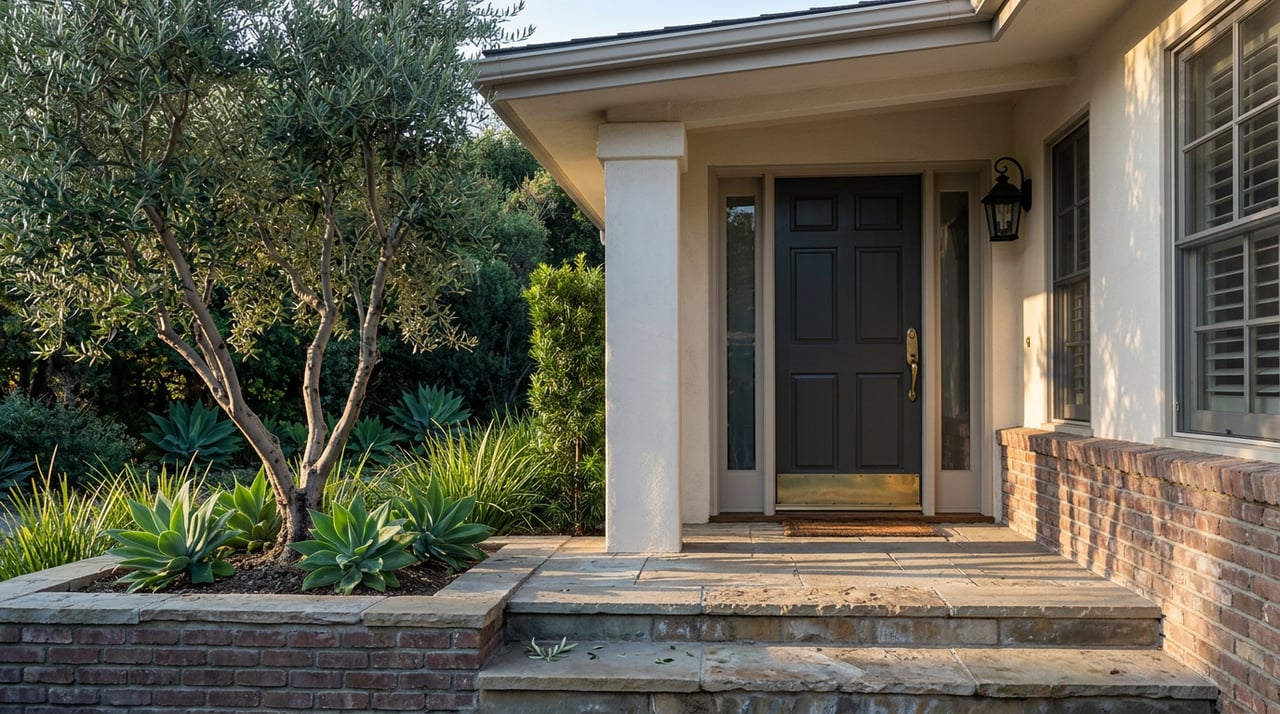
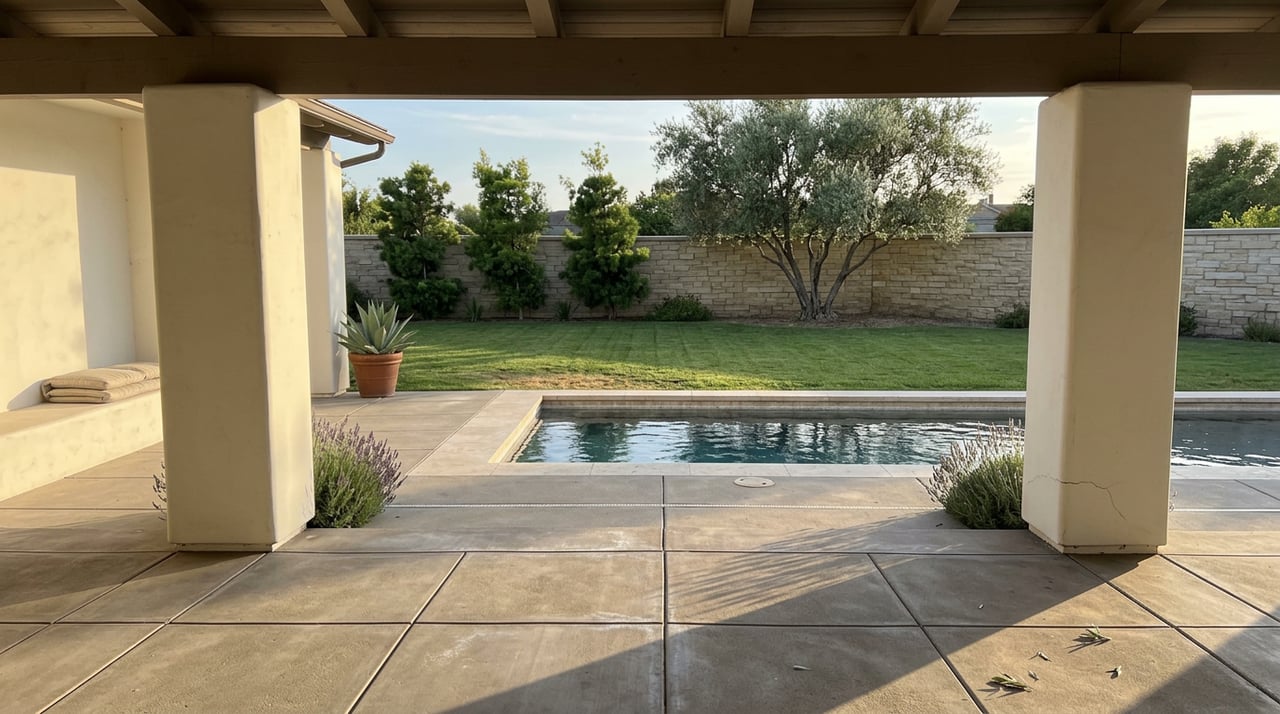
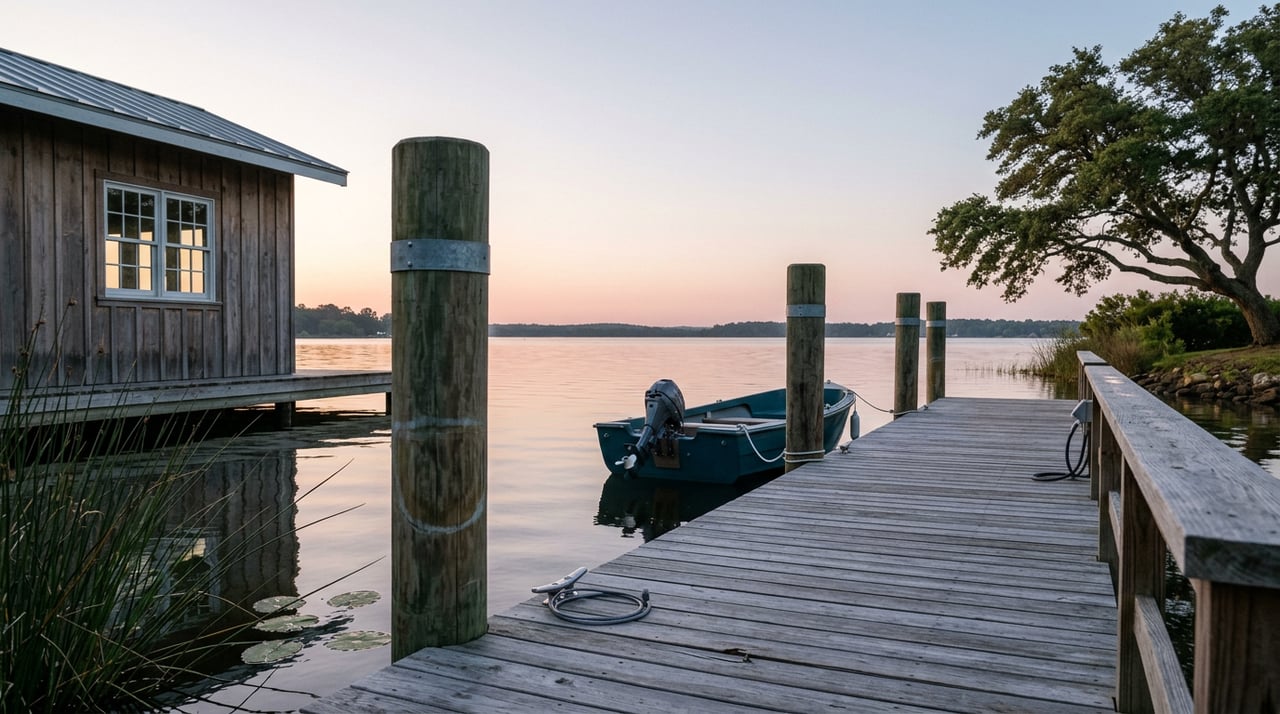
Westlake Village is a small, master-planned city in western Los Angeles County with a footprint of about 5.4 square miles. The city includes 20 neighborhoods and a housing mix that ranges from condominiums and townhomes to lakefront homes, single-family residences, and view-oriented estates.
For many relocation buyers, that mix is a pleasant surprise. Westlake Village feels orderly and established, but it is not limited to one home style or one price point within its upper-end market position. The city also has active homeowners associations and architectural standards, which help maintain a consistent look across many neighborhoods.
Westlake Village is also a small community by population. Census QuickFacts places the 2024 population at 7,593, with an owner-occupied housing rate of 80.6%, a median household income of $179,954, and a median age of 49. Those numbers support what many buyers notice right away: this is a stable, low-density market with a strong ownership base.
Know the Location Details
One of the most important things to understand before relocating is that exact address matters in Westlake Village. The original master-planned area is split by the Los Angeles and Ventura county line, and local service details can vary by parcel.
That matters for everyday planning. If you are comparing homes, you should confirm details tied to the specific property rather than assuming everything is identical based on the city name alone. This is especially important when you are thinking about school assignment, service boundaries, and commute patterns.
Westlake Village also sits about 38 miles west of downtown Los Angeles and about 9 miles inland from the Pacific. That location gives you access to the Conejo Valley lifestyle while still keeping larger employment centers within reach.
What Daily Life Feels Like
Westlake Village is best understood as a premium suburban environment rather than a walkable urban one. If you want privacy, visual consistency, and a more residential pace, the city checks many of those boxes.
If you want to walk to everything, you may feel the tradeoff. The city leans more heavily on neighborhood amenities, outdoor access, and planned community design than on dense, mixed-use convenience.
That suburban structure is part of the appeal for many relocation buyers. It can feel calmer and more predictable, especially for people moving from busier parts of Los Angeles or from denser urban markets.
Commute and Transportation Reality
Westlake Village is a car-first community. Census Reporter shows a mean travel time to work of 23.1 minutes, with 65% of workers driving alone, 31% working from home, and 0% using public transit in the 2020 to 2024 ACS profile.
Those numbers tell a clear story. Westlake Village can work well if you have a hybrid schedule or if your household is used to driving for work, errands, and activities. It is less convenient if you rely on frequent public transit.
There is some local transit service, but it is limited. Metro Route 161 runs through Westlake Village on weekdays with stops including Westlake and Townsgate, connecting toward the Canoga Park G Line area. The city also offers Dial-A-Ride service for seniors and disabled riders.
Older Southern California Association of Governments local-profile data show that many residents commute to Los Angeles, Thousand Oaks, and nearby Conejo Valley cities. In practical terms, that means Westlake Village can serve as a home base for some LA commuters, while also making sense for people working closer to the 101 corridor.
Housing Options in Westlake Village
The housing mix here is broader than many first-time buyers expect. City and census sources show a market that is mostly detached and owner-occupied, with 87% single-unit structures, 2,967 households, and 3,131 housing units.
That creates a distinct feel. In many parts of Westlake Village, you will see established residential streets, planned neighborhood layouts, and a larger share of detached homes than in denser nearby markets.
Turnover is also limited. Only 5.4% of residents moved in the prior year, which suggests many homeowners stay put for a while. If you are relocating into Westlake Village, that can mean less available inventory at any given time and a greater need to move quickly when the right home appears.
What Westlake Village Costs
Westlake Village sits in the upper-end suburban tier. Redfin’s March 2026 snapshot shows a median sale price of $1,775,000, with homes averaging about 42 days on market and the market described as somewhat competitive, with about one offer on average.
That pricing level shapes the relocation conversation right away. If your target budget is well into the luxury suburban range, Westlake Village may feel aligned with your goals. If your budget is closer to the low-$1 million range or below, nearby cities may offer more options.
Census QuickFacts also shows median selected monthly owner costs with a mortgage of $3,896. While your personal payment will depend on financing, taxes, insurance, and the specific property, that figure helps illustrate the cost structure of ownership in the city.
How Nearby Areas Compare
Relocating buyers often compare Westlake Village with several nearby markets before making a final choice. Based on March 2026 Redfin snapshots, the current median sale prices are:
- Westlake Village: $1,775,000
- Calabasas: $1,625,000
- Agoura Hills: $1,400,000
- Thousand Oaks: $1,102,500
- Oak Park: $742,000
This creates a practical budget ladder. Westlake Village competes more directly with other upper-end Conejo Valley and western Los Angeles County suburbs, while Thousand Oaks and Oak Park may be more realistic alternatives if you want to stay closer to the low-$1 million range or below.
That does not automatically make one city better than another. It simply means your budget, commute needs, and preferred home style should guide the comparison.
Outdoor Amenities and Lifestyle
For many buyers, Westlake Village lifestyle is about space and outdoor access. The city’s 18-acre community park includes lighted turf fields, a walking and jogging trail, a skate park, picnic areas, courts, fitness equipment, and play areas.
The city also points residents toward outdoor destinations such as Chesebro Canyon, Pentachaeta, Malibu Creek State Park, Wildwood Park, and the Wishbone Trail. If you enjoy trails, open-air recreation, and an active suburban routine, that can be a meaningful part of the appeal.
This is one of the biggest reasons Westlake Village attracts relocation buyers. The lifestyle is less about density and nightlife, and more about having access to outdoor spaces and neighborhood amenities within a polished residential setting.
Schools and Address-Based Planning
Schools are often a key factor for buyers relocating to Westlake Village. Las Virgenes Unified School District states that it serves Westlake Village, and White Oak Elementary notes that it is the only Las Virgenes elementary school within city limits.
The practical takeaway is simple: verify school assignment by exact property address. Because Westlake Village has location-specific boundary details and county-line considerations, you should avoid making assumptions based only on a mailing address or neighborhood name.
That extra step can save time and help you compare homes more accurately. It is one of the most important parts of relocation planning in this market.
Is Westlake Village the Right Fit?
Westlake Village tends to fit buyers who value privacy, detached housing, outdoor access, and a premium suburban setting. It can also be a strong match for hybrid professionals, since 31% of residents work from home and the average commute profile supports a more car-oriented lifestyle.
It may be less ideal if you want a dense, walkable environment or if your daily routine depends on robust public transit. The city offers consistency and comfort, but that comes with a car-first rhythm and, in many neighborhoods, HOA structure and rules.
If that tradeoff sounds right to you, Westlake Village can be a compelling place to land. The key is to go in with a clear understanding of your budget, preferred home type, and daily lifestyle needs.
Smart Steps Before You Move
A practical relocation plan can make your search much smoother. Before you commit to a move, focus on these steps:
- Set a realistic budget using current Westlake Village pricing and nearby alternatives.
- Confirm exact address details for any home you are considering.
- Compare commute routes based on your actual work schedule.
- Review neighborhood structure, including HOA involvement where applicable.
- Prioritize the home type that best fits your lifestyle, whether that is a condo, townhome, single-family home, or estate property.
- Be prepared for limited turnover and fewer available options at any given time.
Relocating well is not just about finding a beautiful house. It is about choosing a location and property that support how you actually want to live.
If you are planning a move to Westlake Village and want a more tailored view of neighborhoods, pricing, and available opportunities, working with a hyperlocal guide can make the process far more efficient. For curated guidance on Westlake Village and nearby Conejo Valley communities, connect with Nico Torres.
FAQs
What is it like living in Westlake Village, CA?
- Westlake Village offers a low-density, master-planned suburban setting with outdoor amenities, mostly detached housing, active HOA presence in many neighborhoods, and a car-first daily routine.
How expensive is Westlake Village real estate?
- Redfin’s March 2026 snapshot shows a median sale price of $1,775,000, placing Westlake Village in the upper-end suburban tier compared with nearby areas like Agoura Hills, Thousand Oaks, and Oak Park.
Is Westlake Village good for LA commuters?
- Westlake Village can work for some Los Angeles commuters, especially hybrid workers, but daily life is car-oriented and transit options are limited.
Are Westlake Village schools tied to the exact property address?
- Yes, school assignment and related logistics should be verified by exact address rather than assumed from the city name alone.
Does Westlake Village have public transit?
- Westlake Village has limited public transit, including weekday Metro Route 161 service and city Dial-A-Ride service for seniors and disabled riders.
Who is Westlake Village best suited for?
- Westlake Village is often a strong fit for buyers who want a premium suburban setting, outdoor access, mostly detached homes, and a lifestyle that works well with driving and hybrid work.