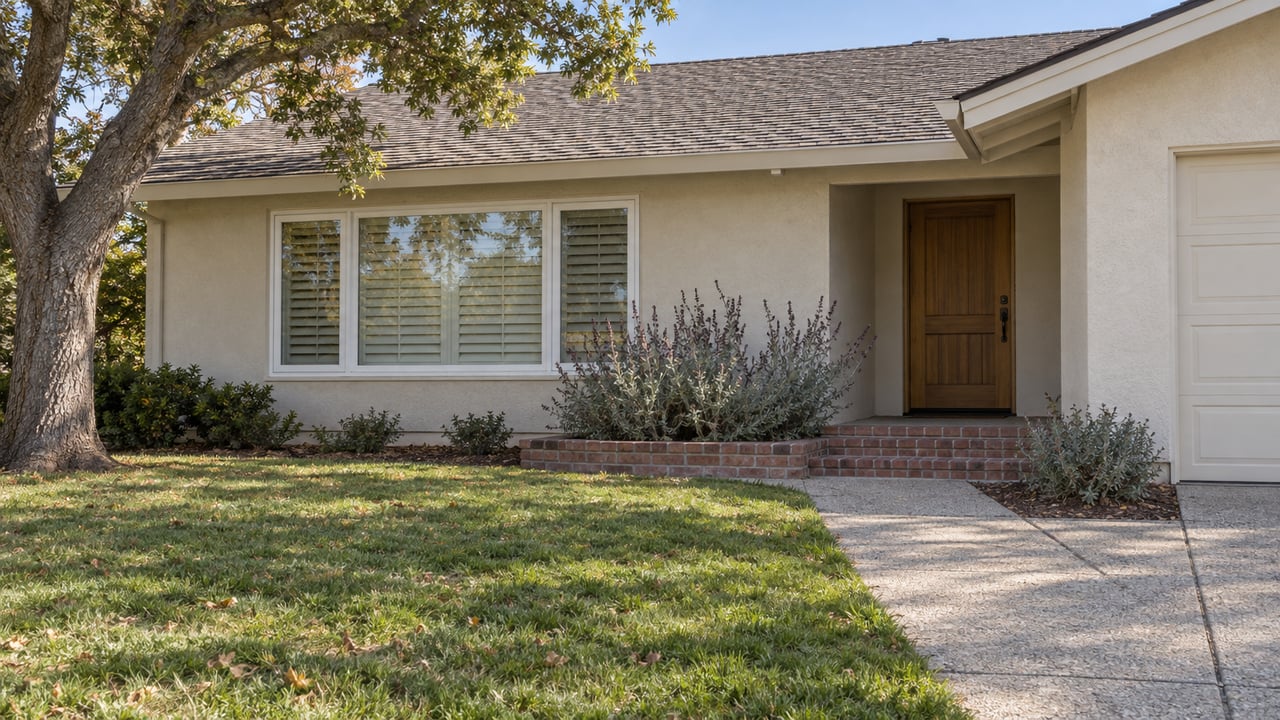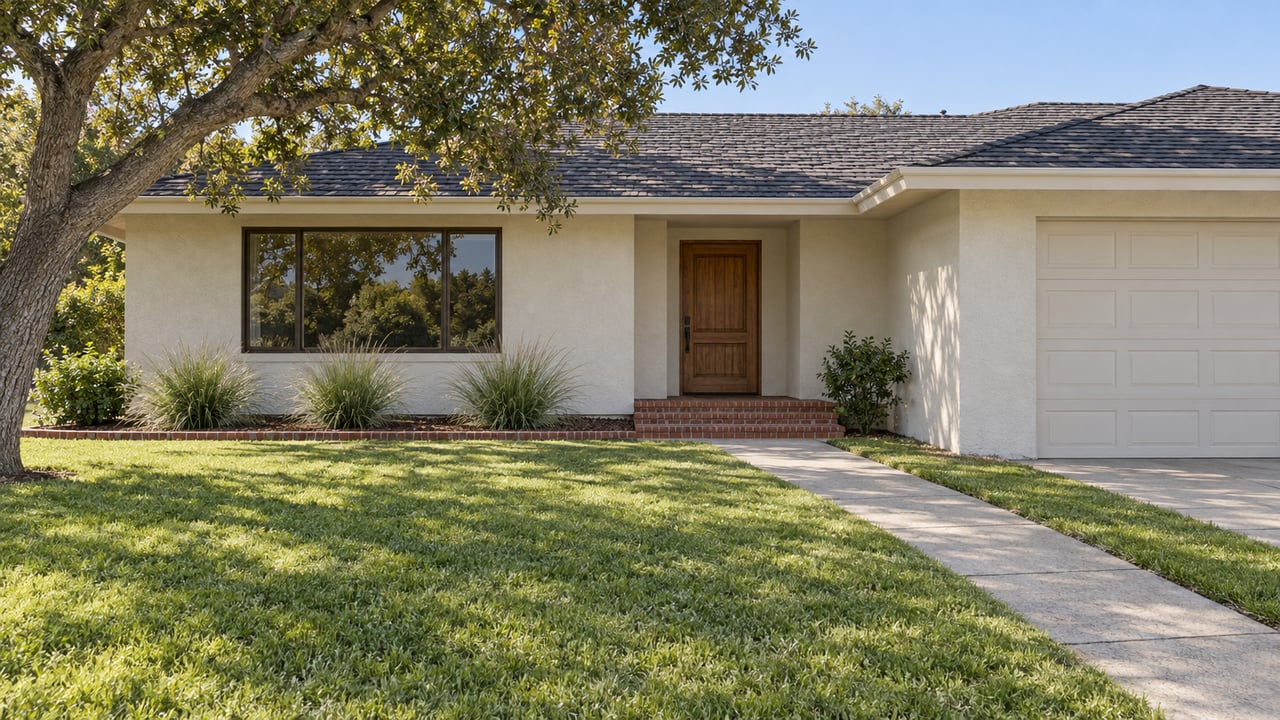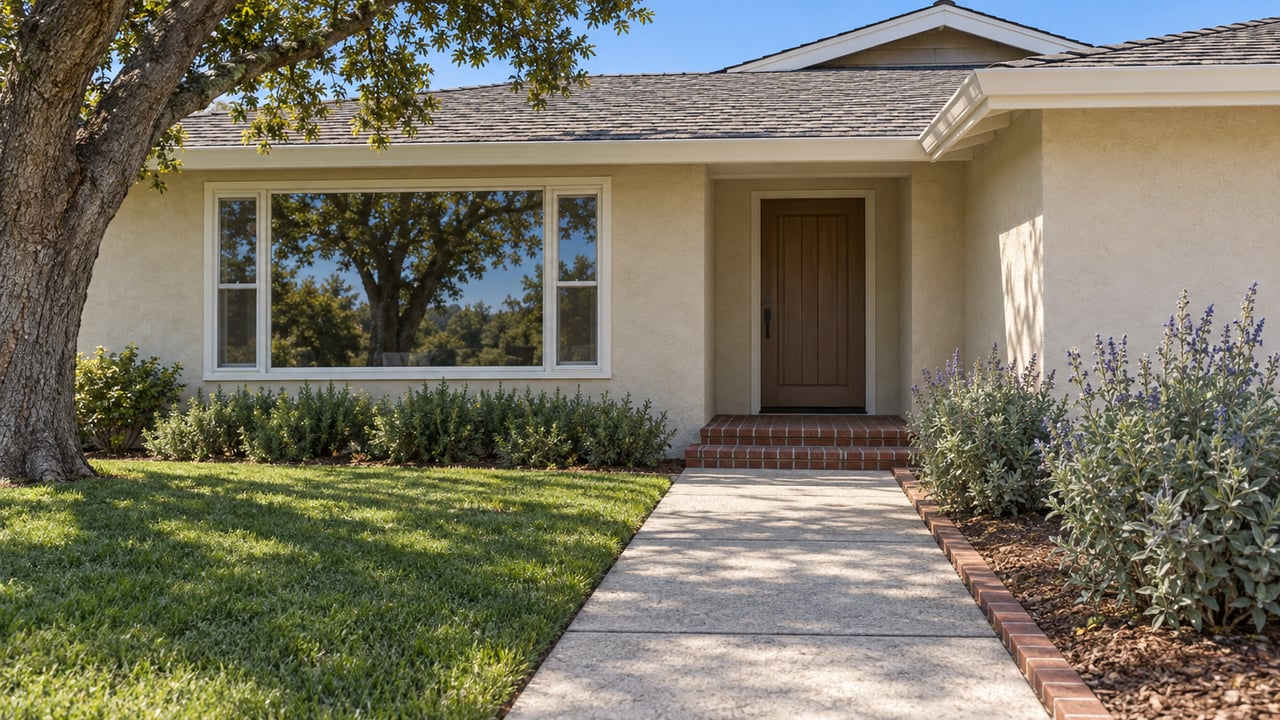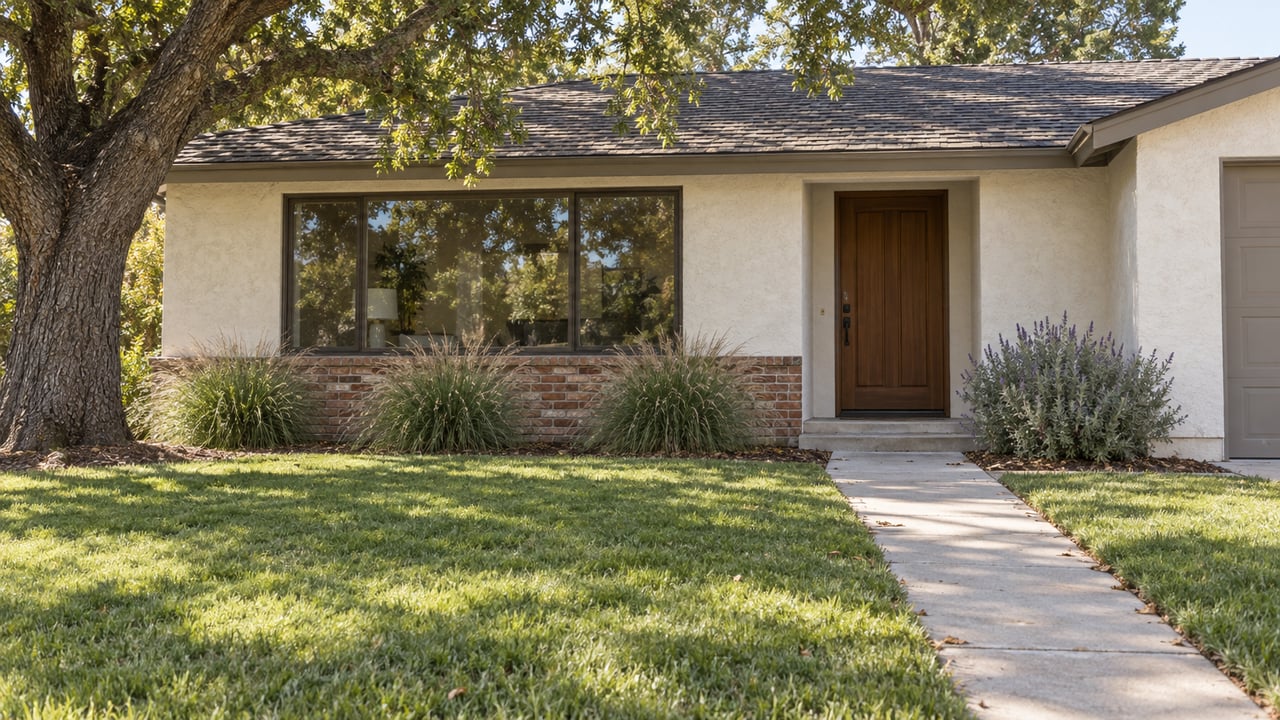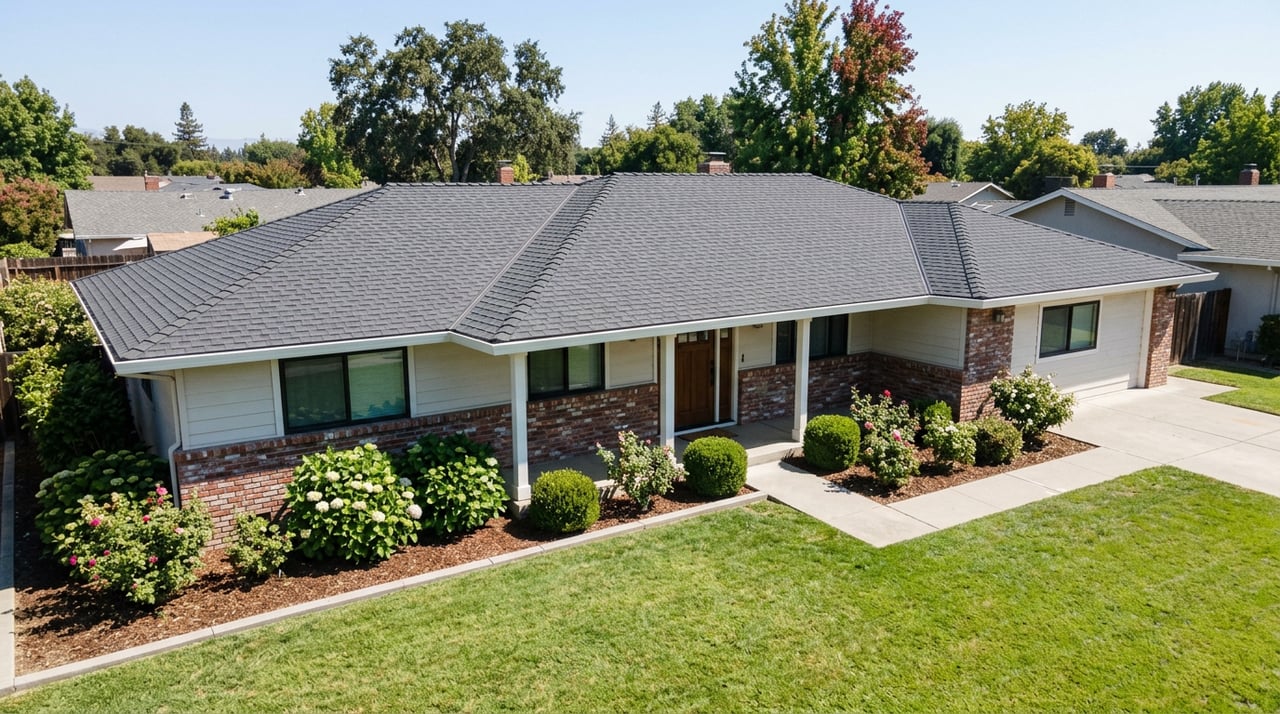
Two homes go under contract in the same week, half a mile apart, both priced in the low $2 millions. One clears inspection with a short punch list: caulk a few window frames, service the HVAC, done. The other comes back with a report that reads like a renovation estimate. Roof at end of life. Panel needs evaluation. A patio cover with no permit on file. The buyer's agent calls asking for a credit that erases most of the seller's negotiating room.
The difference wasn't the price tag, the school boundary, or even the HOA. It was the year the house was actually built. In Westlake Village, that single fact predicts more about a home's path through inspection and disclosure than almost anything else on the listing sheet, and it's the variable most sellers never think to check before they call a photographer.
The Build-Out Timeline Nobody Puts on a Flyer
Westlake Village wasn't built all at once. The community was originally developed as a planned project by the American-Hawaiian Steamship Company starting in the late 1960s, with the bulk of residential construction unfolding in phases through the 1970s, 1980s, and 1990s. The city itself wasn't officially incorporated until 1981, which means a meaningful share of the housing stock predates the city government that now regulates it.
The oldest tracts sit closest to the lake and in the original phases of North Ranch. Those neighborhoods went up first, in the late 1960s and through the 1970s. Russell Ranch and the newer North Ranch phases followed in the late 1980s and 1990s, and smaller gated enclaves like Westlake Cove off Lindero Canyon Road, built as a single-phase tract in 1996, arrived even later. Two homes can sit inside the same zip code and be separated by thirty years of building code, materials, and permitting practice.
That gap is where the inspection story actually lives.
What an Inspector Actually Finds on the Original Stock
Buyers' inspectors don't care about curb appeal. They care about systems, and in Westlake Village's original construction, four issues surface again and again.
- Roofs past their rated life. Standard asphalt shingle roofs are built to last 20 to 30 years. A roof installed during a 1990s re-roofing cycle on a 1970s house is now closing in on or past that window, and inspectors flag it accordingly.
- Aluminum wiring and galvanized plumbing. Both were common building materials in homes constructed through the 1970s and into the early 1980s, and both draw attention from a thorough inspector because of how they age and how insurers and lenders sometimes treat them.
- Lake-adjacent humidity damage. Homes near Westlake Lake sit in a slightly higher-humidity microclimate than the rest of the city. That accelerates algae growth on north-facing roof slopes and speeds up the deterioration of sealants and flashing, particularly where different metals meet and start to corrode against each other.
- Unpermitted additions. A patio cover, a converted garage, a bonus room added decades ago without pulling a permit or getting HOA architectural sign-off. These show up in title work or during the inspector's walk-through, and they become a disclosure conversation whether the seller anticipated it or not.
None of this means an original Westlake Village home is a bad investment. It means the seller who knows what's coming can get ahead of it, and the one who doesn't finds out during a contingency period with a motivated buyer on the other end of the phone.
The Fire Code Wrinkle That Surprises Owners of Older Roofs
Here's the detail that catches even prepared sellers off guard. According to Freddie Roofing Pros, Westlake Village sits in a Very High Fire Hazard Severity Zone, and that classification carries real weight for anyone with a wood shake roof. Wood shake was a popular roofing choice in Southern California during the era when most of the city's original stock went up, and it's now subject to fire-resistance retrofit requirements under California Building Code Title 24.
That's not a cosmetic issue an appraiser waves off. It's a code compliance question that can affect insurability, financing, and how a buyer's agent frames the offer. If your home still carries an original or aging wood shake roof, that's a conversation to have with a roofer and your listing agent before the sign goes in the yard, not after an inspector puts it in writing.
Original Construction vs. Later-Phase Construction, Side by Side
| Factor | Original tracts (1960s–1980s) | Later-phase tracts (1990s and after) |
|---|---|---|
| Typical roofing | Asphalt shingle or wood shake, often at or past rated lifespan | Concrete tile or composition shingle, generally with more life remaining |
| Wiring and plumbing | Aluminum wiring and galvanized plumbing possible | Copper wiring and plumbing standard |
| Fire code exposure | Wood shake roofs may trigger Title 24 retrofit requirements | Built under updated code, less retrofit exposure |
| Permit history risk | Higher chance of unpermitted additions or HOA modifications | Lower risk, shorter ownership chains, more complete records |
| Location pattern | Concentrated near the lake and in original North Ranch phases | Concentrated in Russell Ranch and newer gated communities |
The pattern holds regardless of what the home is priced at. A large, beautifully updated estate can still carry original bones underneath a remodel, and a modest condo in a 1996-built community can sail through inspection with barely a note.
What This Means If You're Listing This Year
If your home falls into that original construction window, the smart move is to get ahead of the inspection before a buyer's inspector does it for you. A pre-listing roof evaluation tells you whether you're looking at a repair, a certification, or a full replacement conversation, and it lets you decide whether to handle it now or price around it. Pulling permit history from the city clears up whether that patio cover or converted space was ever properly approved, which saves a difficult conversation mid-escrow. If you're not sure about your wiring or plumbing era, a licensed electrician or plumber can confirm it in an afternoon.
Timing matters too. Scheduling this work before the winter rain season means any roof or flashing issues get addressed while the weather cooperates, not during a contingency period when a delay costs you leverage. This is exactly the kind of groundwork that a concierge pre-listing process is built to catch early, so the inspection report becomes a formality instead of a negotiation.
A Few Questions Worth Asking Before You List
Does aluminum wiring mean my sale will fall apart? Not on its own. Many homes with aluminum wiring sell successfully every year in Westlake Village. What matters is whether it's been properly connected with modern splice methods (often called pigtailing). Surprises during escrow cause more friction than the wiring itself.
Is a wood shake roof an automatic dealbreaker? No, but it is a conversation to have early. Given the city's Very High Fire Hazard Severity Zone status and the Title 24 retrofit requirements that apply to wood shake, buyers and their lenders will want clarity on the roof's condition and compliance status before closing.
Are homes built in the 1990s or later completely in the clear? Mostly, but not permanently. A community like Westlake Cove was built in 1996, which puts its roofs approaching thirty years old today. Later-phase construction sidesteps the wiring and plumbing issues that define the original stock, but roof age eventually catches up to every house in the city.
Your home's build year isn't listed on the flyer, but it's the first thing a sharp inspector reads once they're inside. Knowing it before you list means you control the story your home tells, instead of finding out what it says the hard way.
If you're weighing what your Westlake Village home might need before it goes on the market, Nico Torres can walk the property with you and map out exactly what to address, what to disclose, and what to leave alone. Work with Nico.
This article is general information, not legal, tax or financial advice. Consult a qualified professional about your situation.